Retreats for Resilience: Transform Stress into Strength

Stress is an inevitable part of life, but how we respond to it can make all the difference. Many people find themselves overwhelmed by daily pressures, leading to burnout and a decline in mental health. Fortunately, retreats designed for resilience offer a powerful solution. These retreats provide a space to step back, reflect, and develop strategies to transform stress into strength.
In this blog post, we will explore the benefits of resilience retreats, what to expect, and how to choose the right one for you. By the end, you will have a clearer understanding of how these experiences can help you manage stress and enhance your overall well-being.
Understanding Resilience
Resilience is the ability to bounce back from adversity, trauma, or stress. It is not just about enduring tough times but also about growing and thriving despite challenges. Building resilience involves developing coping strategies, emotional regulation, and a positive mindset.
The Importance of Resilience
Improved Mental Health: Resilient individuals are better equipped to handle stress, reducing the risk of anxiety and depression.
Enhanced Problem-Solving Skills: Resilience fosters a proactive approach to challenges, enabling individuals to find solutions rather than feeling defeated.
Stronger Relationships: Resilient people tend to have healthier relationships, as they can communicate effectively and manage conflicts better.
Increased Adaptability: Life is full of changes, and resilience helps individuals adapt to new circumstances with ease.
The Role of Retreats in Building Resilience
Retreats designed for resilience focus on providing participants with tools and techniques to manage stress effectively. These retreats often include workshops, mindfulness practices, and opportunities for self-reflection. Here are some key components you can expect:
Mindfulness and Meditation
Mindfulness practices, such as meditation and yoga, are central to many resilience retreats. These techniques help participants become more aware of their thoughts and feelings, allowing them to respond to stressors with greater clarity and calmness.
Workshops and Skill-Building
Many retreats offer workshops that focus on specific skills, such as emotional regulation, communication, and problem-solving. These sessions provide practical tools that participants can use in their daily lives to manage stress more effectively.
Nature Immersion
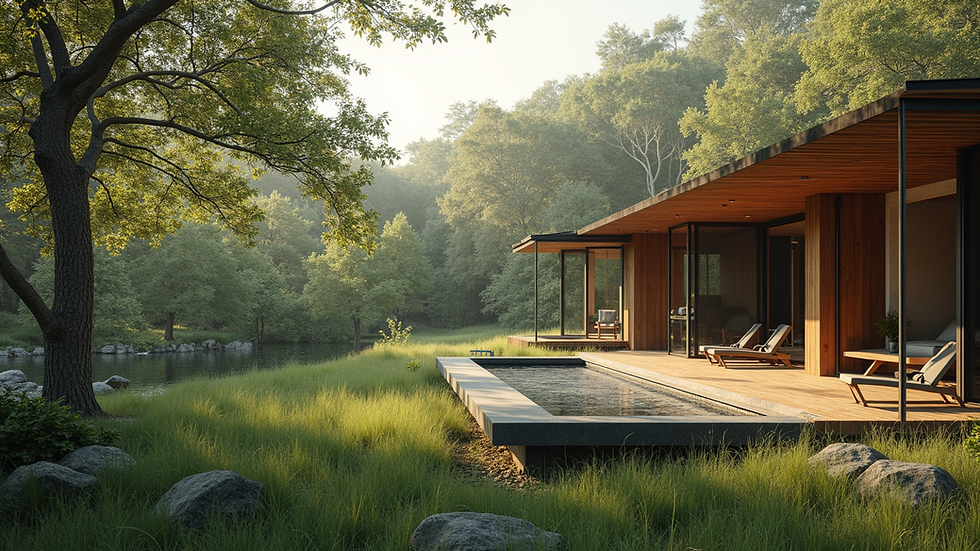
Spending time in nature has been shown to reduce stress and improve mental well-being. Many retreats are located in serene natural settings, allowing participants to disconnect from their daily routines and reconnect with themselves.
Community Support
Retreats often foster a sense of community among participants. Sharing experiences and challenges with others can create a supportive environment that encourages growth and healing.
Choosing the Right Retreat
With so many options available, selecting the right retreat can feel overwhelming. Here are some factors to consider:
Define Your Goals
Before choosing a retreat, take some time to reflect on what you hope to achieve. Are you looking to learn specific skills, connect with others, or simply relax? Defining your goals will help you narrow down your options.
Research Different Retreats
Look for retreats that align with your goals. Read reviews, check the credentials of facilitators, and explore the itinerary to ensure it meets your needs.
Consider the Location
The setting of the retreat can significantly impact your experience. Choose a location that resonates with you, whether it’s a tranquil forest, a beachside resort, or a mountain lodge.
Evaluate the Duration
Retreats can vary in length from a weekend to several weeks. Consider how much time you can commit and what type of experience you are looking for.
What to Expect at a Resilience Retreat
Attending a resilience retreat can be a transformative experience. Here’s what you can generally expect:
Daily Schedule
Most retreats have a structured daily schedule that includes a mix of activities such as:
Morning Meditation: Start your day with mindfulness practices to set a positive tone.
Workshops: Engage in skill-building sessions that focus on resilience strategies.
Nature Walks: Spend time outdoors to recharge and connect with nature.
Group Discussions: Share experiences and insights with fellow participants.
Personal Reflection Time
In addition to group activities, retreats often provide time for personal reflection. This may include journaling, quiet contemplation, or simply enjoying the surroundings.
Supportive Environment
Retreats are designed to be safe spaces where participants can share openly without judgment. This supportive environment fosters connection and encourages vulnerability.
Real-Life Examples of Resilience Retreats
Here are a few examples of popular resilience retreats that have garnered positive feedback:
The Mindfulness Retreat
Located in the mountains, this retreat focuses on mindfulness practices and meditation. Participants engage in daily yoga sessions, guided meditations, and workshops on emotional regulation. Many attendees report feeling more centered and equipped to handle stress after their experience.
Nature Immersion Retreat
Set in a serene forest, this retreat emphasizes the healing power of nature. Activities include guided hikes, outdoor meditation, and group discussions around resilience. Participants often leave feeling rejuvenated and more connected to themselves and the world around them.
Creative Expression Retreat
This unique retreat combines art and resilience-building. Participants explore creative outlets such as painting, writing, and music to express their emotions and develop coping strategies. Many find that engaging in creative activities helps them process stress in a meaningful way.
Tips for Maximizing Your Retreat Experience
To get the most out of your resilience retreat, consider the following tips:
Be Open-Minded
Approach the retreat with an open mind and a willingness to try new things. You may discover new techniques or insights that resonate with you.
Engage Fully
Participate actively in all activities and discussions. Engaging fully will enhance your experience and help you connect with others.
Practice Self-Compassion
Remember that building resilience is a journey. Be kind to yourself and allow space for growth and learning.
Set Intentions
Before the retreat begins, set clear intentions for what you hope to achieve. This will help guide your experience and keep you focused.
The Lasting Impact of Resilience Retreats
The benefits of attending a resilience retreat can extend far beyond the duration of the experience. Many participants report lasting changes in their mindset and coping strategies. Here are some potential long-term impacts:
Improved Stress Management
Participants often leave retreats with practical tools and techniques to manage stress more effectively in their daily lives.
Enhanced Emotional Awareness
Through mindfulness practices and group discussions, individuals may develop a deeper understanding of their emotions, leading to better emotional regulation.
Stronger Connections
The relationships formed during retreats can provide ongoing support and encouragement, helping individuals maintain their resilience journey.
Increased Motivation
Returning from a retreat often reignites a sense of purpose and motivation, encouraging individuals to pursue their goals with renewed vigor.
Conclusion
Resilience retreats offer a valuable opportunity to transform stress into strength. By providing tools, support, and a nurturing environment, these retreats empower individuals to build resilience and enhance their overall well-being. If you are feeling overwhelmed by stress, consider exploring a resilience retreat as a way to recharge and develop lasting coping strategies.
Take the first step towards a more resilient you by researching retreats that align with your goals and values. Remember, the journey to resilience is ongoing, and every step you take brings you closer to a stronger, more balanced life.



Comments